 Portugal
Lisbon
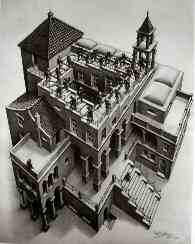 If you've ever
seen any of those pictures by Escher (example right) where all the laws of
nature seem to be suspended you'll have an idea what Lisbon is like. We'd
heard it was hilly, but what nobody told us is that it has its own totally
unique geometry. You can look at a map and see that location A is quite
close to location B, but when you start to walk it, you find the route is
steeply uphill. That's OK, but when you return from B to A you find that
is uphill as well!
If you've ever
seen any of those pictures by Escher (example right) where all the laws of
nature seem to be suspended you'll have an idea what Lisbon is like. We'd
heard it was hilly, but what nobody told us is that it has its own totally
unique geometry. You can look at a map and see that location A is quite
close to location B, but when you start to walk it, you find the route is
steeply uphill. That's OK, but when you return from B to A you find that
is uphill as well!
Well, that's how it seemed to us, but it's worth doing all the climbs as there's
a lot to see. I won't give you the general tourist guide, which you can
get elsewhere, so let's get on to the important stuff. We stayed in a very
central hotel - the Borges, rua Garrett, very close to Baixa-Chiado Metro
station. This had the advantage of being handy for transport of all kinds
- metro, buses, trams and it was no distance to the Tejo (Tagus) for the ferries
too. It was also just between two of the most famous pastelerias, so from
our balcony we could look over the outside tables and feel we were part of the
street life. That was also the disadvantage because the street life in
Lisbon doesn't know when to stop - street musicians at 2 a.m. were common and
the dust cart even came round emptying the wheelie bins at 1 a.m. Add to
that the fact that we were there when Portugal beat England in the World Cup and
you'll realise that was a noisy night even by Lisbon standards. So we gave
up the idea of long nights and substituted the siesta instead.
 However
the really huge advantage of that hotel is that it is only a short distance
(uphill of course) to the
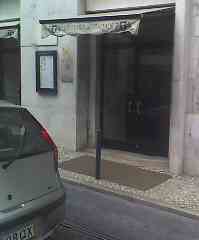
Cervejaria Trindade
the best beer hall in Lisbon (and probably in all Portugal) The website is in
Portuguese but click
Localização
and you'll get an animated map which shows the route from our hotel - did they
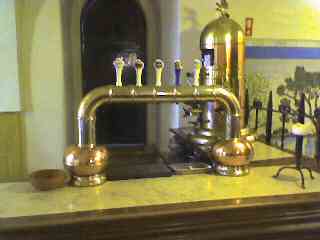
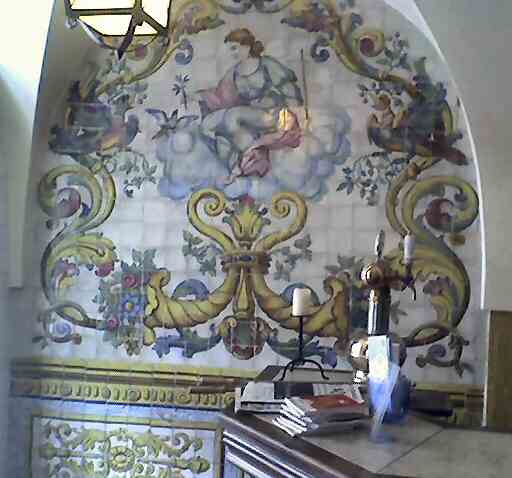
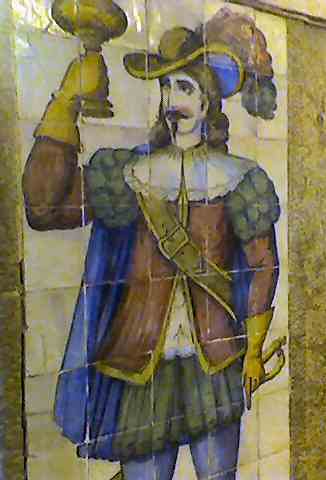
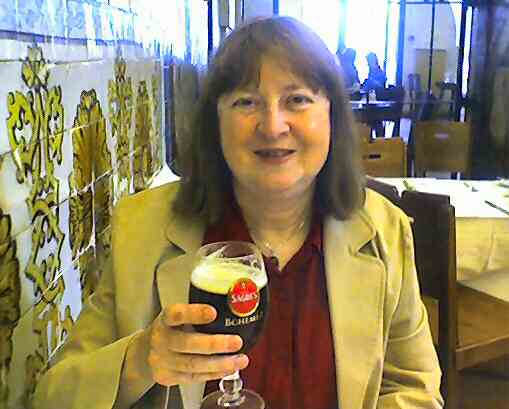
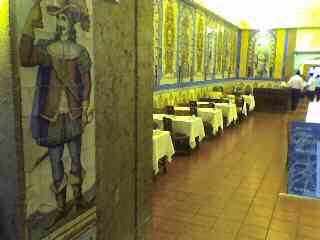
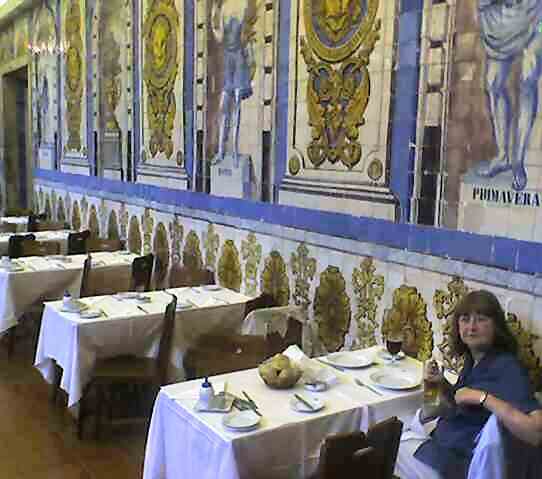
know we were coming? The building was once the refectory of a convent, so
it has high vaulted ceilings, and in 1863 it was refurbished with its famous
painted tiles. This makes it a lovely cool place to seek sanctuary on a
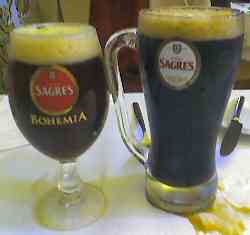
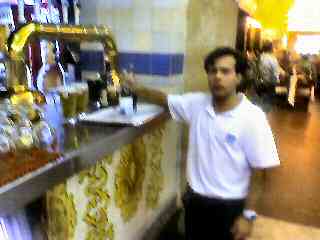
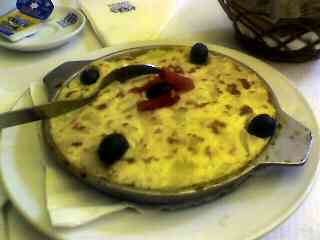
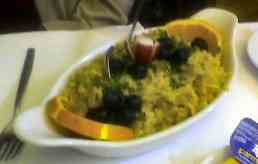
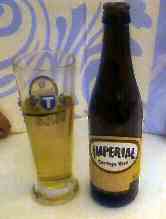
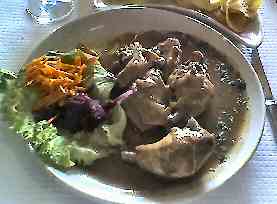
hot day, and this, coupled with the gastronomic traditions of the refectory, and
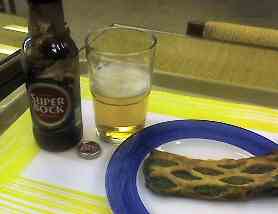
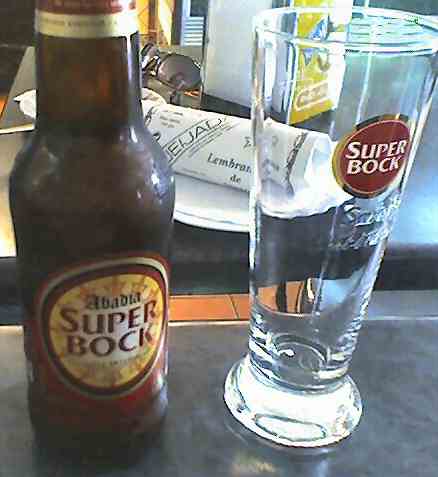
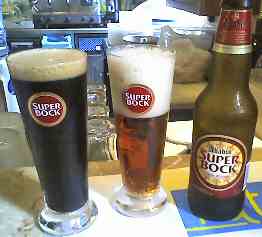
plenty of decent beer, meant we spent a lot of time there, as you'll see from
the pictures. (On the Trindade's website click
Ementa
to see an illustrated menu of their culinary specialities and
beers.) And just a little further (uphill of course!) is the
Port
Institute where a nightcap might help you sleep through the
nightlife.
However
the really huge advantage of that hotel is that it is only a short distance
(uphill of course) to the
Cervejaria Trindade
the best beer hall in Lisbon (and probably in all Portugal) The website is in
Portuguese but click
Localização
and you'll get an animated map which shows the route from our hotel - did they
know we were coming? The building was once the refectory of a convent, so
it has high vaulted ceilings, and in 1863 it was refurbished with its famous
painted tiles. This makes it a lovely cool place to seek sanctuary on a
hot day, and this, coupled with the gastronomic traditions of the refectory, and
plenty of decent beer, meant we spent a lot of time there, as you'll see from
the pictures. (On the Trindade's website click
Ementa
to see an illustrated menu of their culinary specialities and
beers.) And just a little further (uphill of course!) is the
Port
Institute where a nightcap might help you sleep through the
nightlife.